
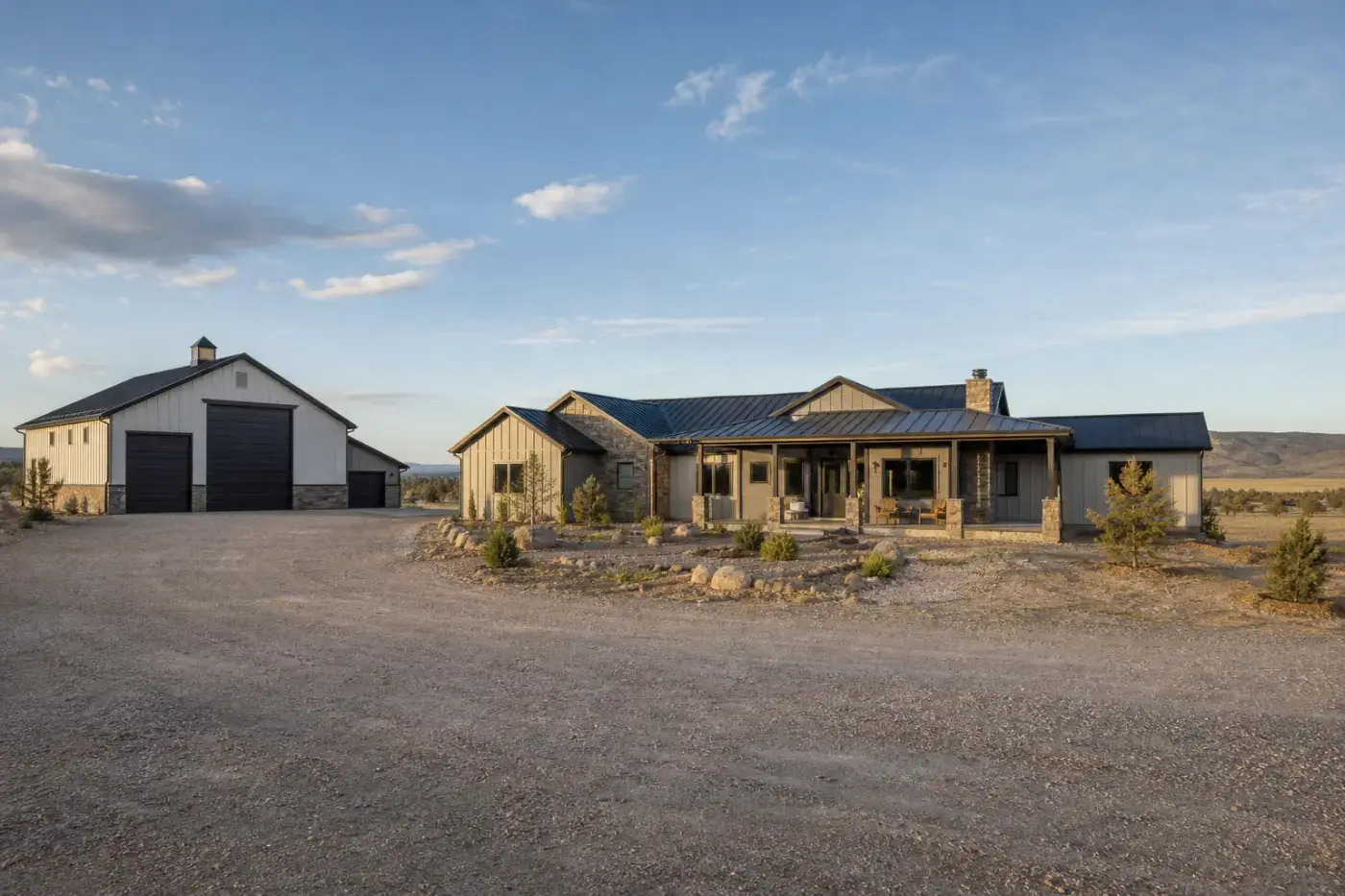
Well and septic on acreage in Yavapai County
If your land isn't on city water and sewer, plan for a private well and septic system early. Wells go through the Arizona Department of Water Resources, and septic systems go through Yavapai County. Both affect where the house can sit and when work can start.
Updated November 2026
Start with water
Before you commit to a house plan on rural land, find out where your water will come from. Some parcels can connect to a water provider. Others have a shared well, and many need their own. A well's location, depth and output all affect the plan, so it's one of the first things we look at.
How wells work in Arizona
The Arizona Department of Water Resources oversees wells. Before a new well is drilled, a Notice of Intent has to be filed. Drilling can't begin until the department issues a drill card to the driller. ADWR's instructions suggest starting at least six weeks ahead.
The Prescott Active Management Area
Much of central Yavapai County lies within the Prescott Active Management Area, where groundwater is managed more closely. Inside an AMA, an exempt well is limited to a pump of 35 gallons per minute or less. Generally only one exempt well is allowed per parcel per use, and there are limits near a water provider's lines. Whether these rules apply depends on your parcel, so we check before you plan around them. ADWR's staff can confirm current requirements.
Septic in Yavapai County
You need a county permit to build a septic system. Yavapai County's Environmental Services Unit handles conventional and alternative systems and inspects the construction.
The site investigation
A new system usually starts with a site investigation, often called a perc test. It shows how the soil handles water and what kind of system the land can support. Rocky or tight soil may need an alternative system, which can cost more.
Setbacks
The county's development FAQ lists setbacks that include 10 feet from any structure and 100 feet from any well. So the house, well and septic field all have to be laid out together. A smaller parcel can get tight fast, and a neighbor's well can matter too.
Order matters
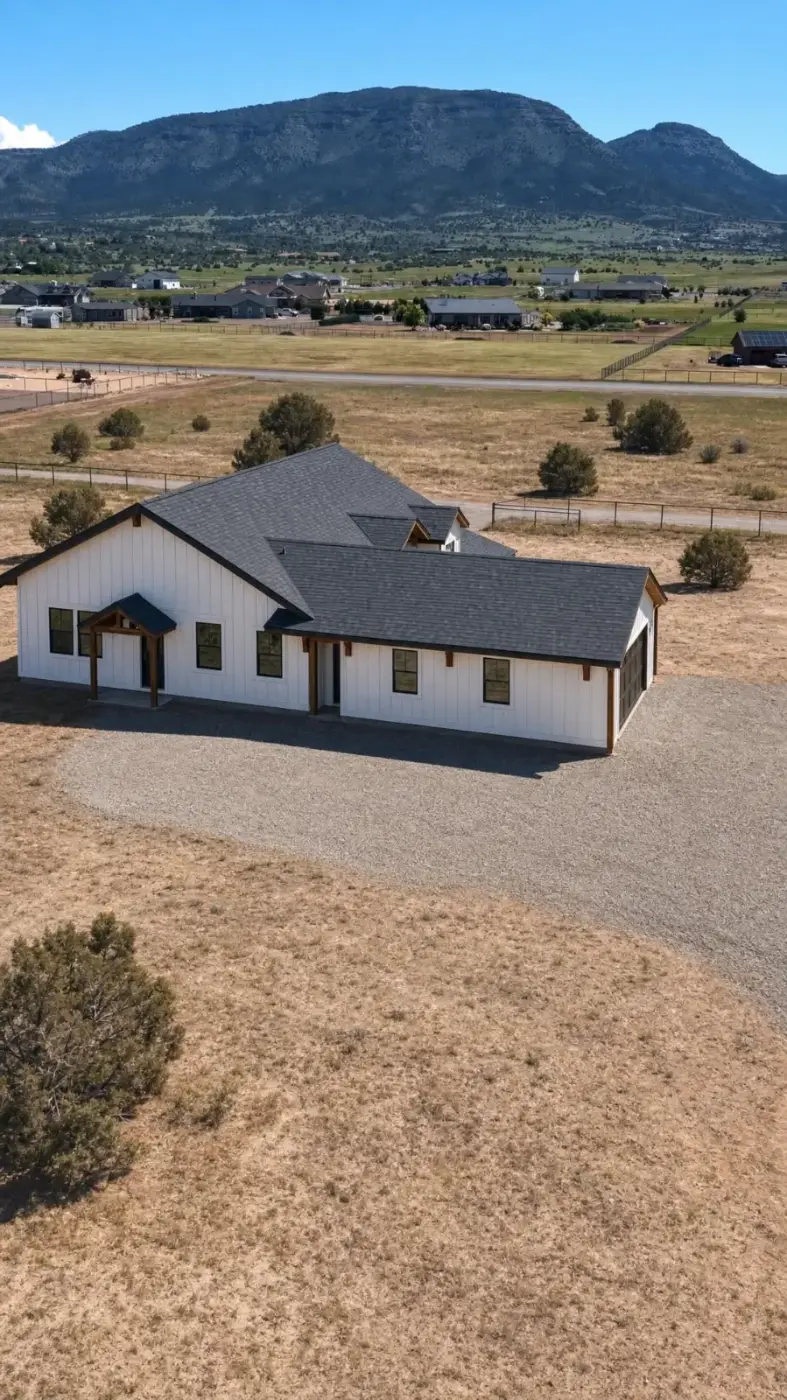
The sequence is different from one jurisdiction to the next. In Dewey-Humboldt, the town requires an approved county septic permit before building plans are submitted. Elsewhere, the steps may run side by side. A typical order for acreage looks like this:
- Confirm water source and jurisdiction.
- Walk the land and rough out the site plan.
- File the well notice and drill, if a well is needed.
- Complete the site investigation and septic design.
- Finish the house plans and submit for permit.
We build these steps into your schedule so they don't stall the start of construction.
Budgeting for it
Well depth, pump equipment, the type of septic system, trenching and the power run can each add a real line to the budget. Depth in particular is hard to know until you drill. Neighboring well records can give a sense of what to expect. We'll price what we can and set a clear allowance for what we can't.
Thinking of a remodel or addition?
If your home is on septic and you're adding a bedroom, the system may need to be checked or upgraded. It's worth looking at that before you plan the addition.
Let's walk your lot
Tell us about your lot or your home and what you're picturing. Matt will reach out to set up a first meeting, on your property or over coffee.
- Call or text928.458.4848
- Emailmdutton@duttonconstructionaz.com
- HoursMon to Fri, 7 am to 5 pm. Saturday by appointment.
- ServingPrescott, Prescott Valley, Chino Valley, Dewey-Humboldt, Williamson Valley and Talking Rock
- GoogleDutton Custom Homes on Google Maps
- LicenseAZ ROC 337430
We'll get back to you within one business day. See our privacy policy.